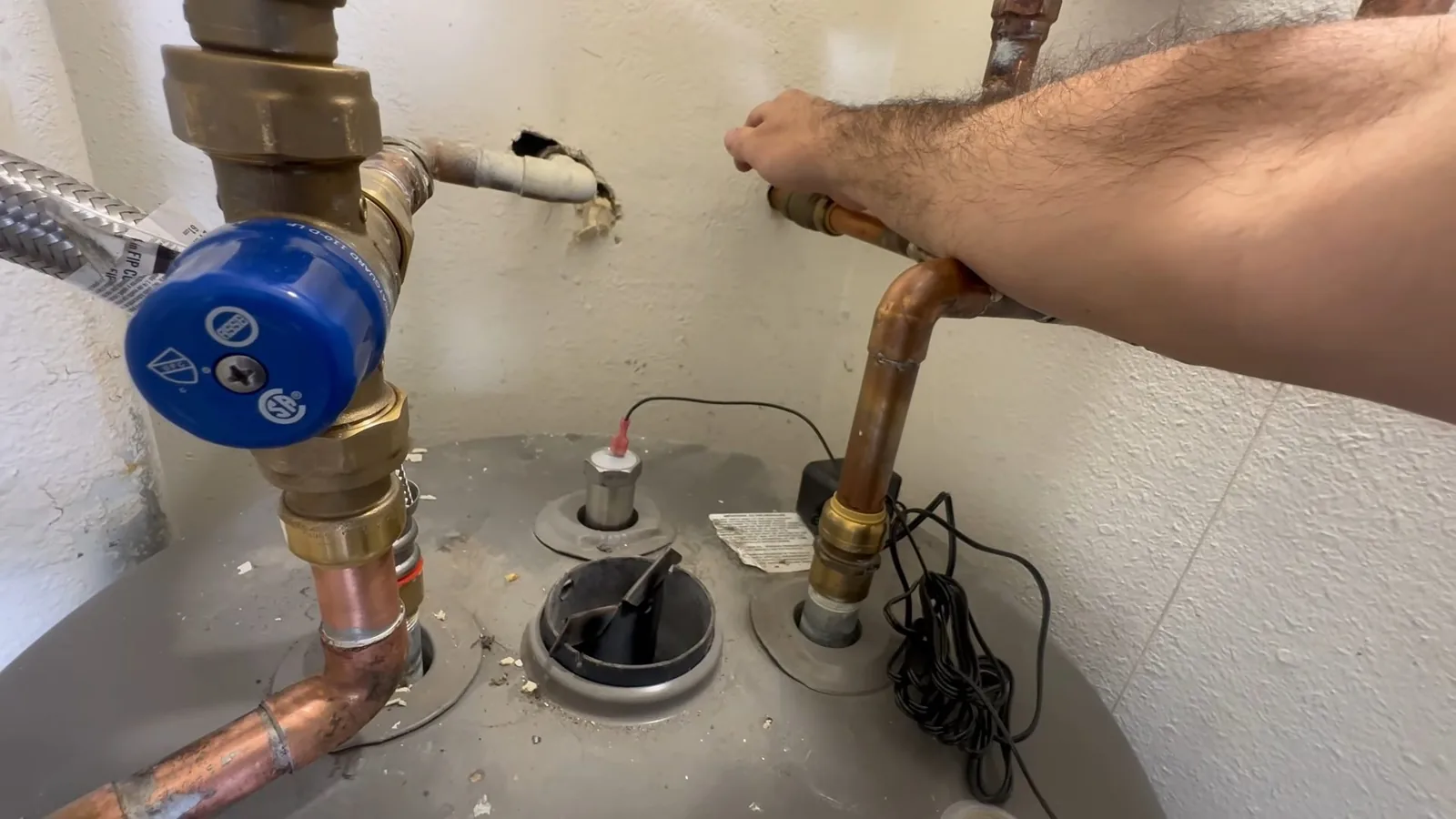
Water heater repair · Greenville, TX
Water Heater Repair in Greenville, TX: Cold Showers, a Wet Floor or a Rumbling Tank
The shower runs cold, the tank is dripping, or the heater makes a noise it never used to. Some of these are small repairs and some mean the tank is done, and the first few minutes decide which. This page sorts the symptoms, shows the safe first moves and lists what to ask before you agree to a repair or a replacement.
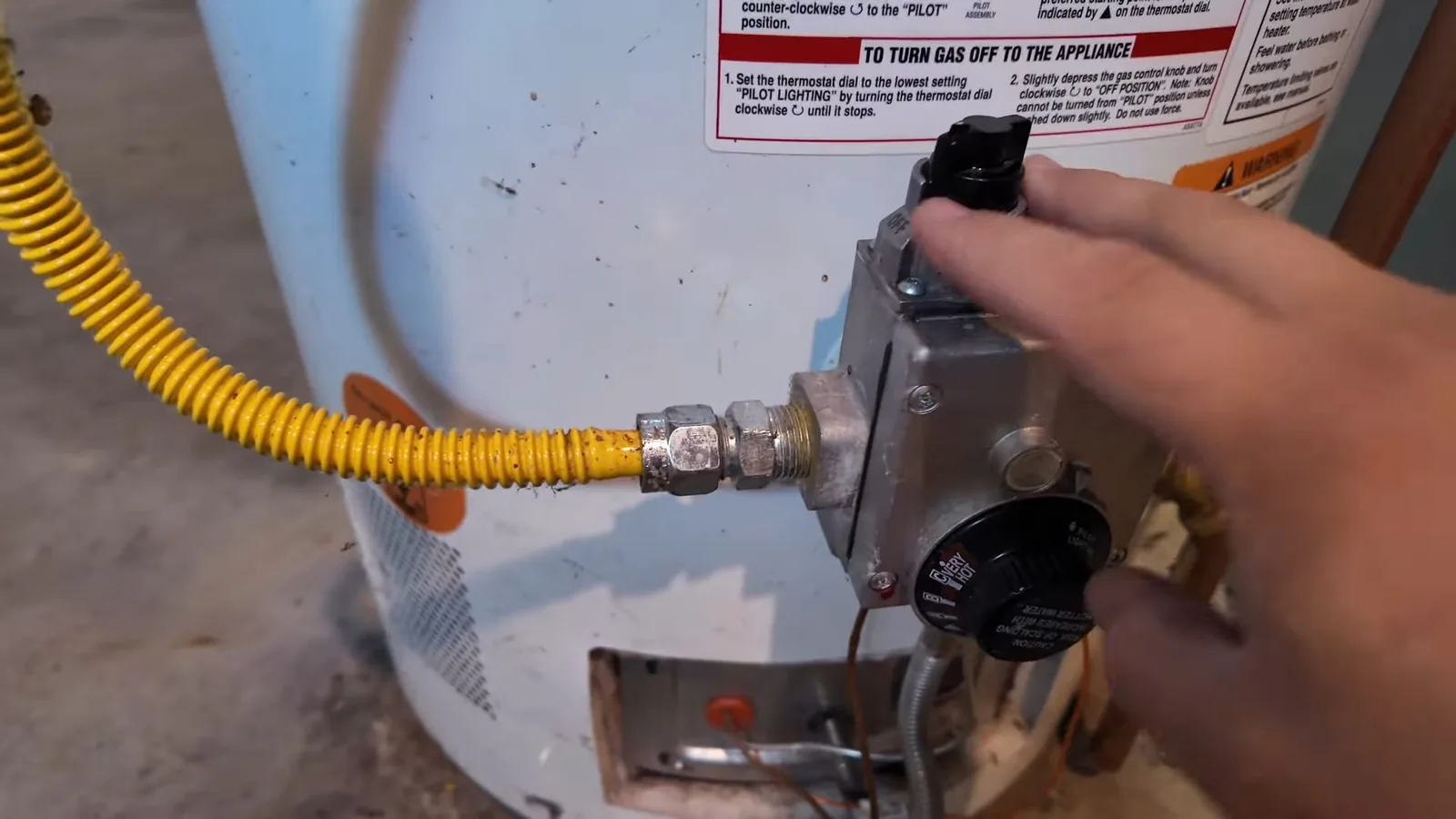
Find your symptom: no heat, a drip, a noise or a smell
A water heater fails in a few predictable ways, and the signs are different for each. Find your symptom in the table, then read the section that fits.
| What you notice | Likely cause | First move |
|---|---|---|
| No hot water at all, gas heater | A pilot that went out, a worn thermocouple or a failed gas control | Check for a gas smell first. If there is none, call. If there is, leave the house |
| No hot water at all, electric heater | A tripped breaker, a high-limit switch that needs a reset, a failed thermostat or a burned-out element | Check the breaker once, then call instead of resetting again and again |
| Hot water runs out quickly | A failed lower element, a broken dip tube or sediment | Call. It is often a repair, not a new tank |
| Water on the floor around the base | A loose fitting, the relief valve line or the tank itself | Shut off the cold supply and the fuel, then call |
| Rumbling or popping while it heats | Sediment on the bottom of the tank | Ask about a flush and the condition of the anode rod |
| Rusty or bad-smelling hot water | A worn anode rod or corrosion inside the tank | Ask the plumber to check the anode |
| Dripping from the pipe at the relief valve | High pressure or temperature, or a worn valve | Never cap it. Call |
If hot water is weak at only one faucet, the heater is probably fine. repairing the faucet or fixture covers that case.
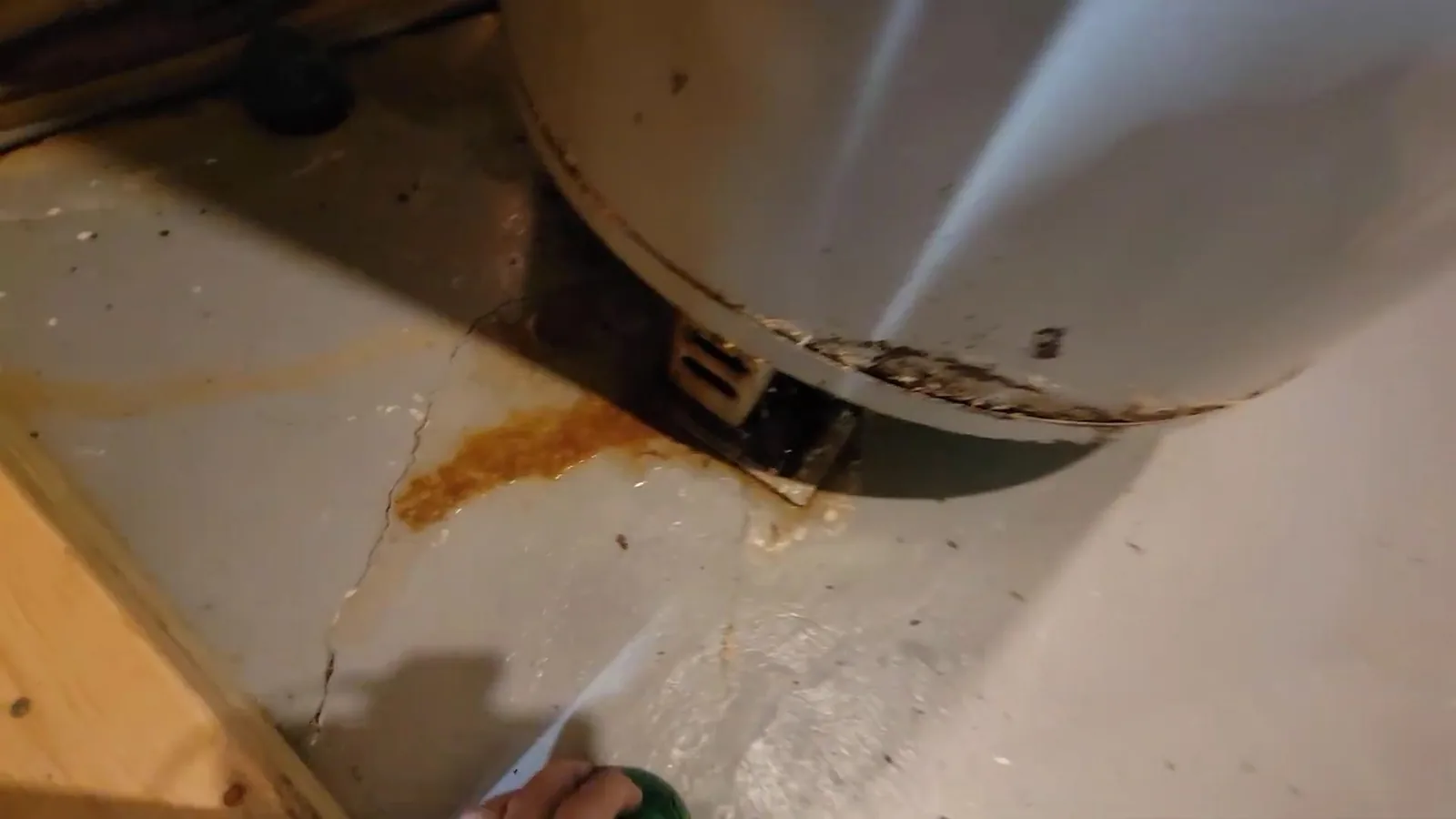
Stop the damage first: shutting down a leaking tank
A leaking tank can flood a utility room or garage in an afternoon. These steps limit the damage and leave the evidence a plumber needs.
- Find the cold water shutoff on the pipe that feeds the top of the tank and turn it clockwise until it stops.
- Turn off the fuel. For an electric heater, switch off its breaker. For a gas heater, set the control to the off position shown on its label. If you smell gas at any step, leave and do not touch a switch.
- Look for where the water starts: the top fittings, the relief valve pipe or the base. Take photos before you wipe anything.
- Dry the floor and set out a pan or towels. If water is coming through the body of the tank, leave the power and gas off.
- Call and describe what you saw and where. The more precise the description, the better the plumber can plan the visit.
If the water has already reached carpet or drywall, the page on drying out after a leak explains what to do next. Water that is not coming from the heater at all is a different search, and a meter test for hidden leaks covers it.
Gas or electric: what tends to fail in each
The type of heater tells the plumber where to look first. Both types share a tank, a dip tube, an anode rod, a relief valve and the supply connections, so a few failures are the same either way.
Gas heater parts that fail
- The pilot flame or the electronic igniter
- The thermocouple that proves the flame is lit
- The gas control valve and thermostat
- The burner, which collects dust and rust
- The flue and draft, where exhaust leaves the house
Electric heater parts that fail
- The upper and lower heating elements
- The thermostats on the tank
- The high-limit switch that trips for safety
- The wiring and the breaker feeding the unit
- The tank itself, which can fail in either type
Ask the plumber to name the failed part and show it. A repair quote should say what is being replaced, not just that the heater needs work.
Fix it or replace it? Five things to settle before you decide
A repair is the right call when one part has failed and the tank is sound. Replacement is the right call when the tank is the problem. Four questions separate the two.
- Where the water is coming from. A leaking fitting or valve can be repaired. A leaking tank body cannot.
- The date code on the data plate. Manufacturers print it in the serial number. Ask the plumber to read it to you and explain what it means for that brand.
- What else is wrong. A repair on a unit with rust, a failing anode and a leaking valve may only delay the next call.
- What the repair is expected to buy you, in the plumber's own words, and what the warranty on the part and the labor covers.
- Whether the quote for the repair and the quote for a new tank were given together, so that you can compare them.
If the answers point to a new unit, replacing a tank water heater covers sizing, fuel type and what the quote should list.
After a city water outage: refilling the tank before the power goes back on
Two main breaks in September 2023 left parts of northeast Greenville without water for about two days. Outages like that matter to a water heater, because the tank drains or draws in air when pressure drops.
When water returns, open a hot tap somewhere in the house and let it run until the flow is steady before you restore power or gas. An electric element switched on in a tank that is not full can burn out in minutes. Expect sputtering and cloudy water for a short while, and call if the tank leaks or the heater will not restart afterward.
Rumbling, popping or rust: sediment and the anode rod
Sediment is the gritty layer of minerals that settles on the bottom of a tank over the years. It makes the heater work harder and can cause rumbling or popping as steam breaks through it. A flush clears it out, and it is worth asking about when you hear the noise.
The anode rod is a metal rod inside the tank that corrodes so the steel does not. When it is used up, the tank starts to corrode, and rusty or smelly hot water is a common warning. Ask the plumber to check the rod and tell you what they found. Replacing the rod is a small job on a sound tank. On a rusted tank it is too late.
If you are weighing a flush against a different kind of unit, how tankless units handle scale covers descaling for those.
A dripping relief valve, scalding water and the smell of gas
The relief valve opens when the pressure or the temperature in the tank climbs too high. A pipe that drips now and then can be a sign of high water pressure in the house, a worn valve or a tank that overheats.
Do not cap or plug the valve or its pipe, because it is the tank's last safety release. Do not turn the thermostat up to chase more hot water, since hotter water scalds faster, especially for children and older adults. Ask the plumber to check the pressure at the tap and the thermostat setting, and to explain what they found.
If you smell gas, leave the house first. Call 911 and your gas utility from outside, and do not use a light switch or a phone indoors. A water heater repair is not the first call.
Water heater questions Greenville homeowners ask
Can I relight the pilot light myself?
Only if the label on your heater explains how, and never if you smell gas. A pilot that keeps going out points to a worn part such as the thermocouple, so relighting it again and again does not fix the cause. If you smell gas at any point, leave the house and call from outside.
Why does my hot water run out so fast?
A failed lower heating element, a broken dip tube or a thick layer of sediment can each shrink the supply of hot water. A bigger household or a new fixture can do the same. A plumber can tell the two apart by testing the unit, which is why a short test comes before any talk of replacing it.
Can a leaking tank be repaired?
It depends on where the water comes from. A leak at a fitting, a valve or the relief valve line is usually a repair. Water seeping through the steel body of the tank means the tank has failed, and the sensible fix is a replacement.
Cold water, a drip or a strange noise? Describe it to a plumber
Call, say whether the heater is gas or electric, what it is doing and whether water is on the floor. The person who answers will arrange a plumber for your area. Price ranges for common repairs are on water heater repair price ranges.