Drain cleaning · Greenville, TX
Drain Cleaning in Greenville, TX: Slow Drain, Backed-Up Tub or a Clog That Keeps Coming Back
The kitchen sink drains slowly, the tub holds a ring of gray water, or a clog you cleared last month is back. The right fix depends on where the blockage sits, and one question sorts that out fast. This page walks through it, what is safe to try yourself and when a camera is worth asking for.
One drain or every drain? The question that finds the clog
Water finds the lowest opening, so the lowest drain in the house is where a main-line backup shows first. A single slow fixture points the other way, toward its own trap or branch line.
| What you see | Where the clog probably is | First move |
|---|---|---|
| One sink or tub drains slowly and the others are fine | In that fixture's trap or its short branch line | Plunge or clean the trap, and call a plumber if it returns |
| A toilet and a nearby tub gurgle or back up together | In the branch line that serves that bathroom | Stop using that bathroom and call |
| Every drain is slow, and toilets bubble when the washer drains | In the main line leaving the house | Stop using water and call. More loads make it worse |
| Sewage or gray water appears in the lowest tub, shower or floor drain | In the main line, below the lowest fixture | Stop all water use, keep out of the area and call now |
| The kitchen sink backs up and dishwasher water rises in it | In the kitchen line or at the disposal | Check the disposal, then call if it persists |
Safe things to try before calling
A few safe steps solve many single-fixture clogs. Chemical drain cleaners are not on the list.
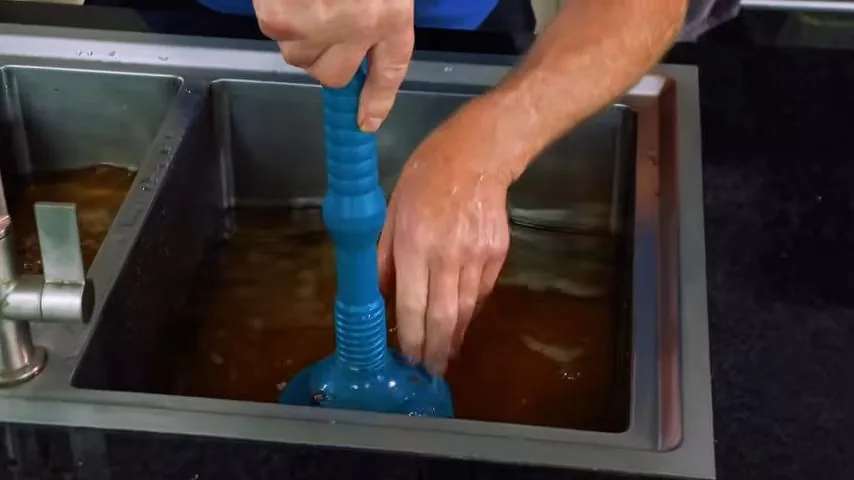
- Plunge with a flange plunger. Cover the drain fully, keep the overflow plugged with a wet rag, and push and pull steadily for a minute.
- Lift out the stopper and clear it. Hair and soap wrap around a tub or sink stopper, and a few minutes with a plastic hair tool often fixes a slow drain.
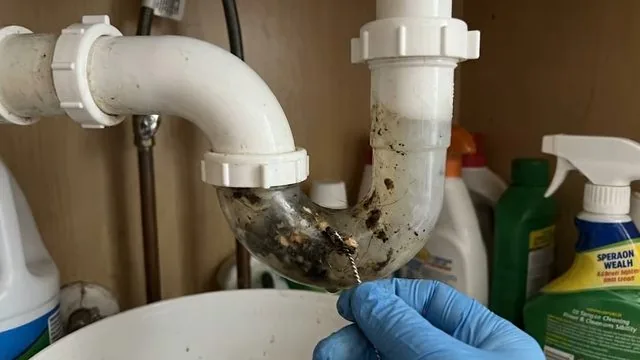
- Clean the trap. Put a bucket under the U-bend beneath a sink, loosen the slip nuts by hand and clear it out. Tighten the nuts again and run water to check for drips.
- Stop pouring grease down the kitchen drain. It cools and coats the pipe. Wipe pans into the trash first.
Chemical cleaners can sit in a pipe that will not clear, burn skin and endanger the person who opens the line next. If you already used one, say so when you call. If water is rising in other fixtures, stop trying things yourself.
A disposal that hums and will not turn is a different problem, covered under a jammed disposal.
Snake it or send a camera? When a second visit means the first fix missed
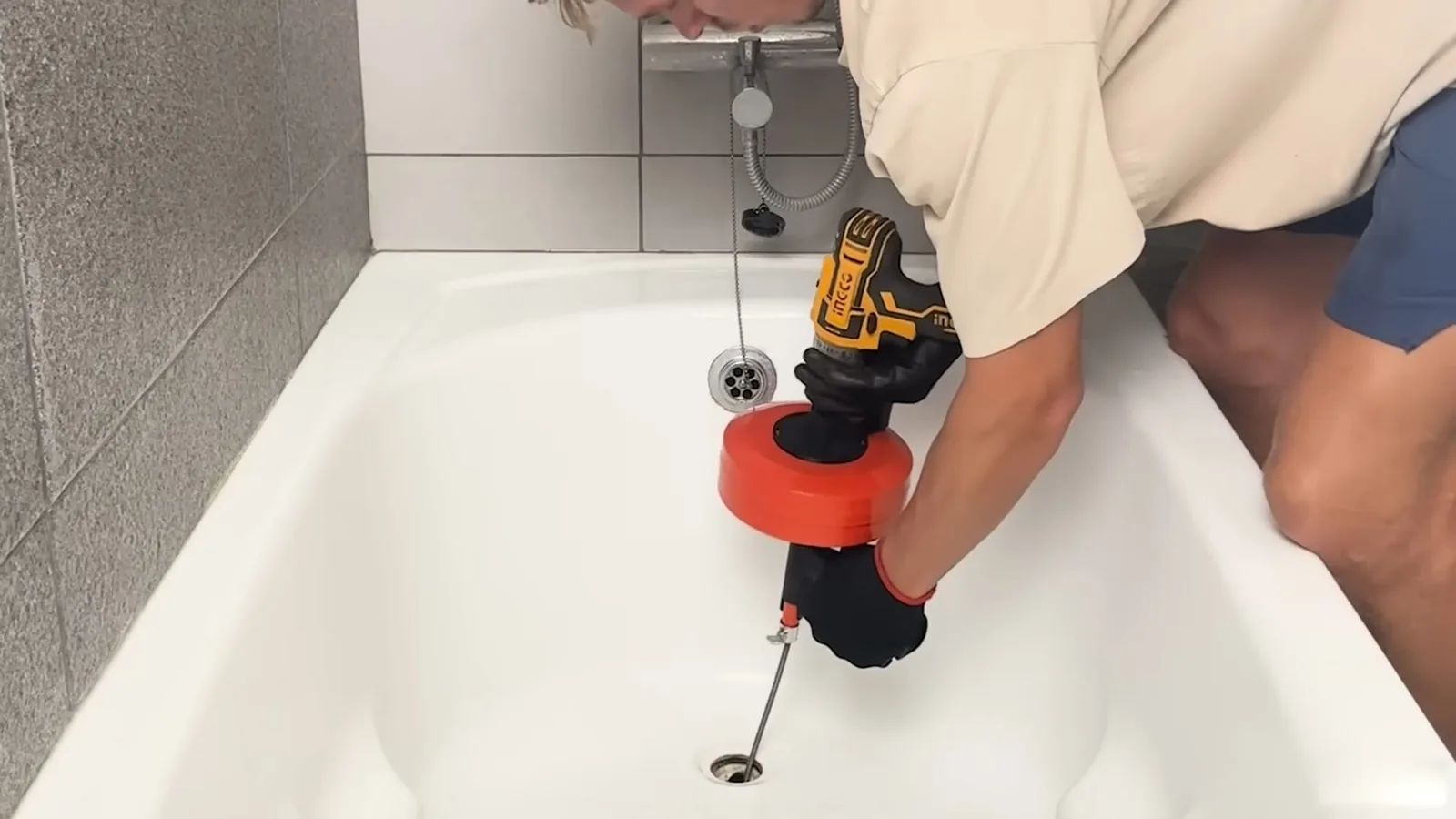
A cable machine clears a blockage by breaking through it or pulling it out. It does not show what caused it. A camera does, and it turns a second visit into a plan.
Ask for a camera when the clog returns within weeks, when more than one drain is slow, when roots are possible, or before you pay for a repair. A useful camera visit gives you:
- The footage, shown to you or saved.
- The distance in feet from the access point to the problem.
- The cause in plain terms: grease, roots, scale, a break or a sag in the pipe.
- A recommendation with options, in writing.
When grease or scale lines the pipe, the next step may be hydro jetting, which scours the walls instead of punching a hole through the middle.
Outdoor drains: yard grates, downspouts and the cleanout cap
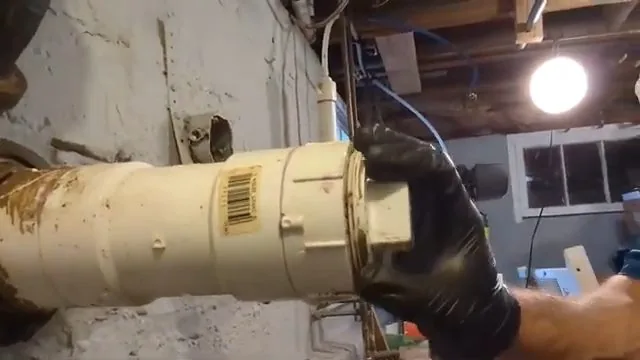
A sewer cleanout is a capped pipe, often three or four inches wide, in the yard or beside the house. It gives access to the sewer line. A yard drain or French drain is different: it collects rainwater and does not connect to the sewer.
Leaves and silt on a yard grate are often a homeowner job. A yard drain that stays full long after rain points to a drainage problem, which belongs to a drainage contractor. If water or sewage rises out of a cleanout, that is the main line, so call now. Do not open the cap yourself when the line is backed up, because pressure can release sewage.
Call now, or schedule it? Sorting a clog by urgency
Call now if sewage is coming up in more than one fixture, if water rises in the tub when a toilet is flushed, if there is a sewage smell with wet floors, or if a backup continues after you have stopped using water. See a main sewer line problem for what happens next, and cleanup after a backup if water has spread.
It can wait for a scheduled visit if one sink is slow, if a drain gurgles now and then, or if a kitchen drain clears with a plunger. A call puts you on a plumber's schedule and does not promise an arrival time.
Whose pipe is it? Your drain or the city's sewer main
If neighbors have the same backup, or the trouble shows at the cleanout nearest the street, the blockage may be in the city's sewer main. The City of Greenville is the one to call, at (903) 457-3100. If only your house is affected, start with a plumber.
Which stretch of pipe between your house and the main the city maintains is a separate question. The page about repairs to your sewer line explains how to ask it and what to get in writing.
Drain questions Greenville homeowners ask
Why does my drain keep clogging after I clear it?
A clog that returns within weeks usually means the cause was never removed. Grease coating the pipe wall, roots entering a joint, or a dip in the pipe that holds water can all cause it. Ask for a camera inspection so the cause is seen, then ask what clears it for good.
Is chemical drain cleaner safe to use?
It is a poor first choice. Chemical cleaners can sit in a pipe that will not clear, burn skin, and endanger the person who opens the line next. If you used one, tell the plumber before work starts.
How do I know if the main line is clogged?
Several drains slow down at once, toilets gurgle when the washer drains, or sewage shows up in the lowest tub, shower or floor drain. Stop using water and call. Running more water makes a main-line backup worse.
Drain still slow after the basics? Describe it to a plumber
Call, say which fixtures are slow and whether anything else is gurgling, and the person who answers will arrange a plumber for your area. Price ranges for common drain work are on plumbing cost guidance.