
Water damage cleanup · Greenville, TX
Water Damage Restoration and Cleanup in Greenville, TX: Removal, Drying and What Comes Next
Water has soaked a floor, a wall or a ceiling after a leak, a burst pipe or a backup, and what you do in the first day decides how much has to be torn out. This page explains what can be saved, what removal and drying covers, and what falls outside it, so you know what to ask for. The service here is removal and drying only.
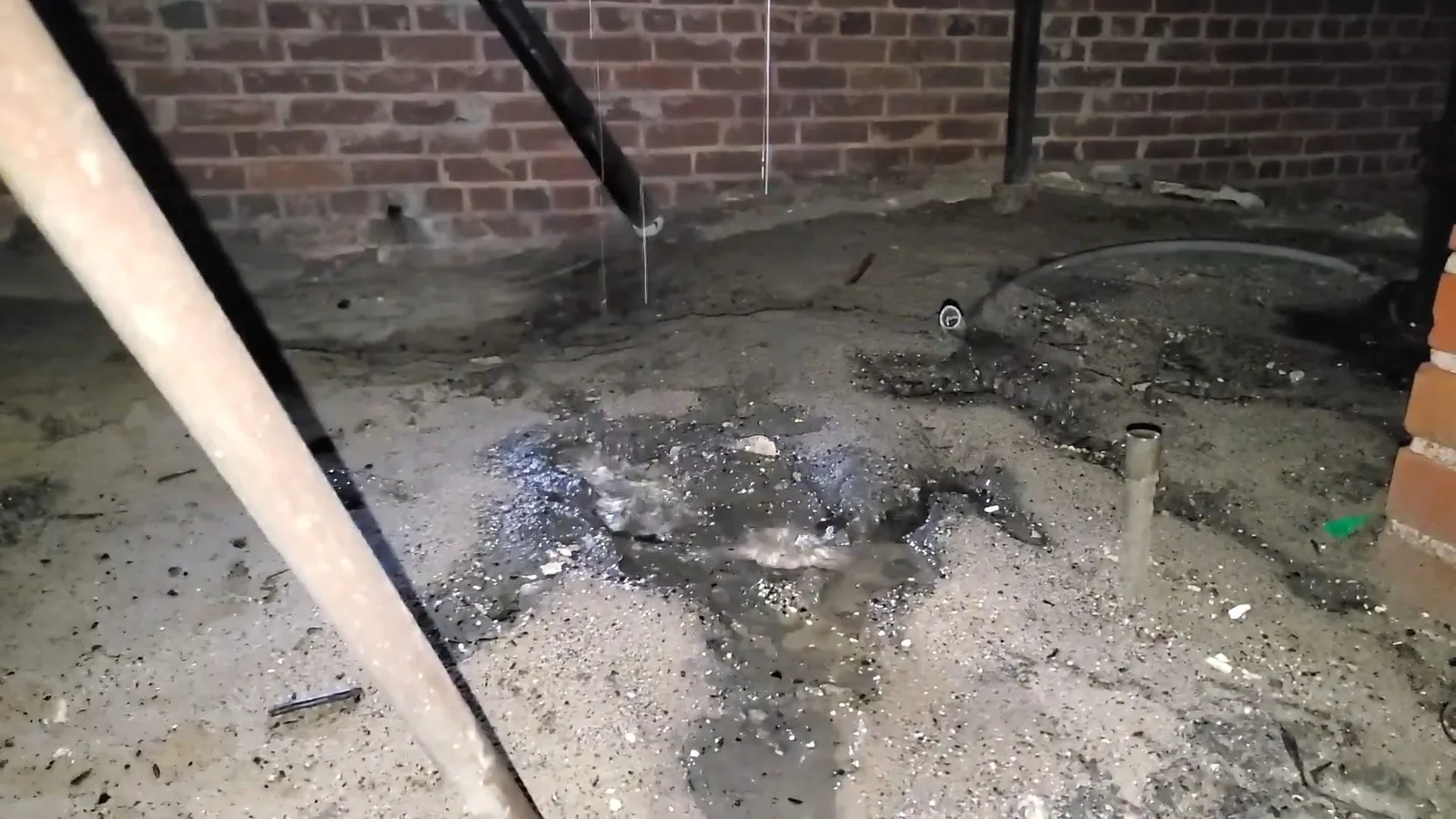
First hours of water damage: close the main and cut power
The first hours matter more than anything that follows. Work through these in order, and stop at any step that is not safe.
- Stop the source. If a pipe is flowing, close the main valve on the house. The steps are on burst pipe repair.
- Turn off power to wet areas at the breaker, but only if you can reach it without stepping in water. Never touch electrical equipment while standing in water.
- Photograph and film every wet area before anything is moved.
- Lift small items, rugs and furniture legs onto foil or blocks, and carry electronics and papers to a dry room.
- Call your insurer to open a claim, and ask what they need to see before work begins.
- Call to reach a plumber who can stop the source, and ask who handles removal and drying.
Wet carpet, ceiling tiles and insulation: save or discard?
Speed decides what survives. EPA's mold guidance for buildings says carpet should be dried within 24 to 48 hours and that wet ceiling tiles and insulation should be discarded and replaced. It also warns that mold may have started to grow even when materials are dried within 48 hours. Use this table as a starting point and let a moisture reading decide each case.
| Material | Can it be saved? | What to ask |
|---|---|---|
| Carpet | Often, if it is dried within a day or two | Whether the pad is replaced and whether the carpet is lifted to dry underneath |
| Hardwood and laminate floors | Sometimes. Wood swells and can cup, and the damage may take days to show | Moisture readings over several days, not one visit |
| Drywall | Often cut out where it was soaked, especially at the base of a wall | How high the cut goes and what is behind the wall |
| Ceiling drywall and tiles | Tiles are discarded. Drywall that sags is usually cut out | What sits above it: insulation, wiring or a pipe still leaking |
| Insulation | Wet insulation is replaced | Whether the insulation inside the wall got wet |
| Cabinets and baseboards | Often saved if the water stayed on the surface | Whether the space behind them was dried |
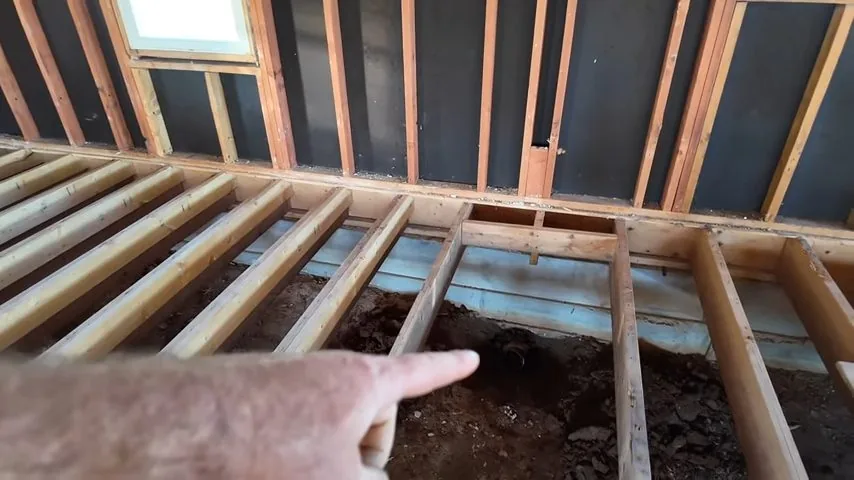
Sagging ceiling after a leak: what to do before it gives way
A ceiling that has taken on water can hold it for hours and then drop. A spreading stain, a bulge, or drops falling from a light fixture means water is above you. Keep out from under it. Do not poke it to see what happens, and do not switch on a light or fan on that circuit. A plumber or a drying crew can release trapped water in a controlled way.
Tell the person who answers the phone what is above the ceiling: a bathroom, a roof or an attic. A plumber traces a bathroom or supply source, and a roofer handles a roof leak. Water can travel along a joist and show up far from where it entered, so the stain is not always under the source.
Walls are harder to judge. Water can run down inside a wall and soak insulation and the bottom plate while the surface looks fine. A musty smell, paint that bubbles at the baseboard or a high reading lower in the wall tells you more than the surface does. Ask for readings inside the wall cavity before anyone calls it dry.
Clean water, gray water or sewage: why the source changes the job
Water from a supply line that just broke is the least hazardous. Water that has sat for a day or more, or that came from a washing machine, a dishwasher or an overflowing toilet, carries more contamination. Sewage from a backed-up drain is a health hazard.
If sewage is involved, keep people and pets out, wear waterproof boots and gloves, and do not run a household vacuum through it. Carpet and padding soaked with sewage are often replaced, not cleaned. Have the drain problem diagnosed first, since cleanup does nothing if the backup returns. See sewer line repair for that side.
Rain or storm water that enters from outside is a different event from a plumbing failure. Ask your insurer which kind of water your policy covers, and tell the person who answers the phone which kind you have.
Where removal and drying stops
Covered here
- Removing standing water
- Removing materials that cannot be dried
- Placing fans and dehumidifiers
- Taking moisture readings
- Confirming the structure is dry before it is closed up
Not covered here
- Rebuilding drywall, paint and flooring
- Mold assessment or mold removal
- Repairing the leak or the burst pipe itself
Mold is its own job. Texas licenses mold assessors and remediators through the Texas Department of Licensing and Regulation. Its consumer guide says that in most instances areas of visible mold smaller than 25 contiguous square feet may be cleaned by someone without a license. For more than that, ask for a company that holds a TDLR license and check it on the TDLR site.
Stopping the leak is the plumber's part. If you do not yet know where the water came from, start with finding where the water came from.
How you know the house is dry
Drying is not finished when surfaces feel dry. Ask for moisture readings taken before drying and again after, in the same spots, and for the equipment to stay until wet areas read like areas that never got wet. Ask for the readings in writing.
Watch for a musty smell, new stains or paint that bubbles in the weeks afterward. If you see them, call and say so, because mold can start even when materials have been dried on schedule.
Insurance and paperwork before the drying starts
How the water got there often affects how a policy responds. A sudden pipe failure and a leak that ran for months can be treated differently, so read your policy and ask your insurer before work begins.
- Photos and video of the damage before cleanup, and of the source once it is exposed.
- The plumber's written description of what failed and when.
- The drying company's moisture readings and a list of what was removed.
- Receipts for anything you buy or rent during cleanup.
- Damaged items, kept until your insurer says they can go, unless they are a safety hazard.
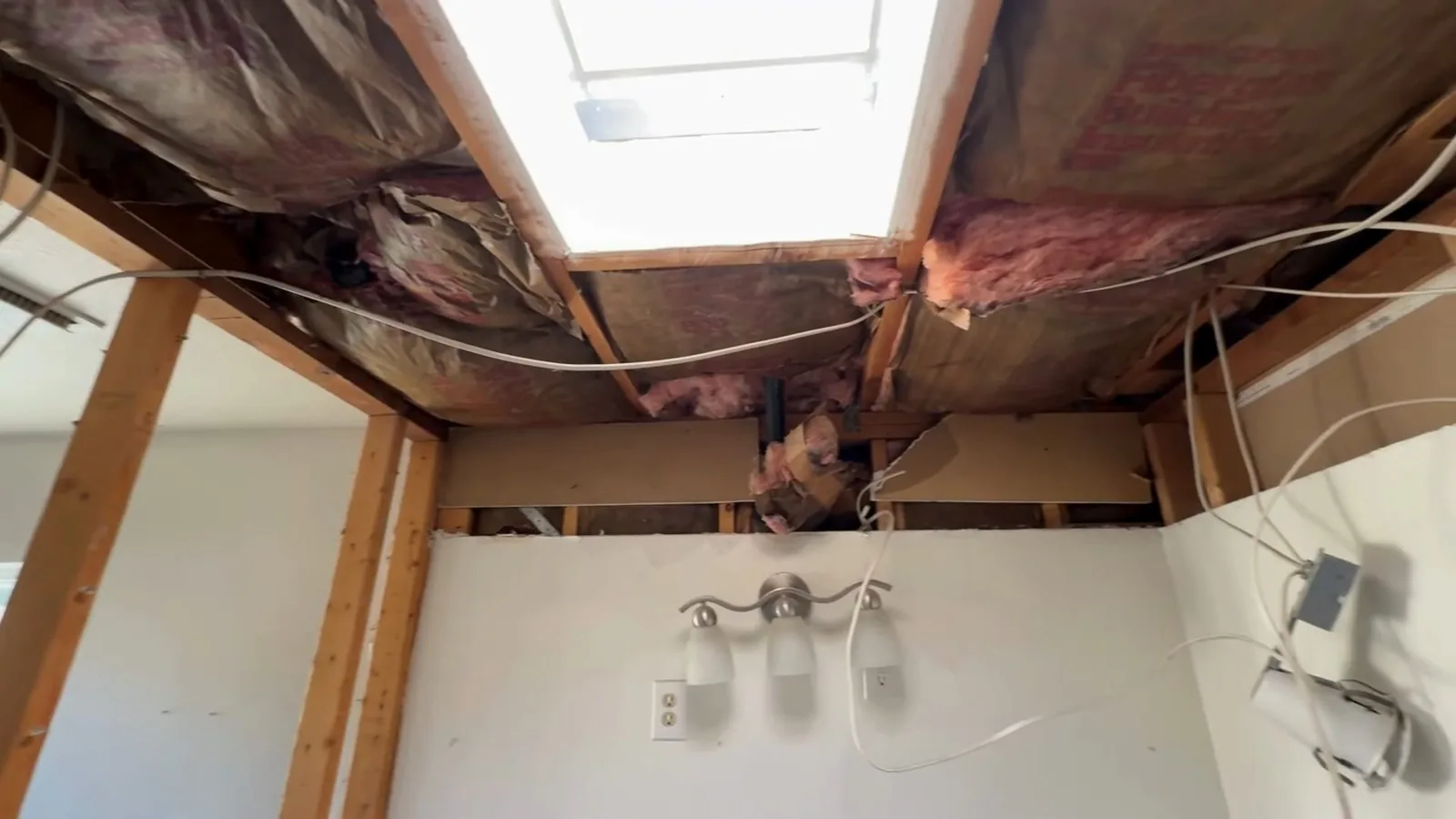
Drywall, flooring and paint: rebuilding is a separate hire
Once the structure is dry, someone has to replace drywall, flooring and paint. That work is outside this service. Give the contractor who rebuilds the drying readings and the list of what was removed, so they start from a dry structure and know what is new. Ask your insurer whether they have contractors they prefer.
Water on the floor now? Call and describe what you see
Call, tell the person who answers where the water came from and what it has reached, and a plumber for your area is arranged. A call puts you on a plumber's schedule and does not promise an arrival time.