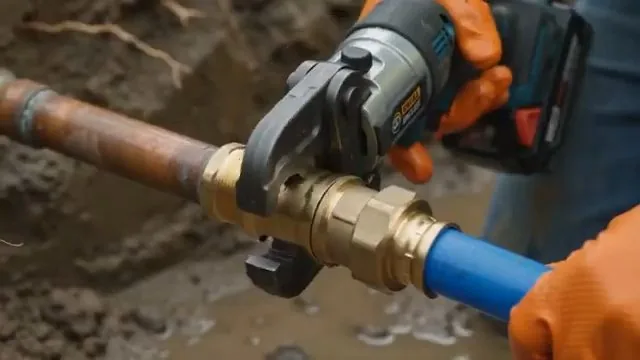
Whole-house repiping · Greenville, TX
Whole-House Repiping in Greenville, TX: Fix the Next Leak or Replace the Lines?
You fixed a pipe leak last spring, and now there is another one in a different spot. Do you keep repairing, or replace the lines? A repipe is the largest plumbing job in most houses, so this page sets out how to decide, what the work involves and what to ask before you sign.
Repair again or repipe: five questions that decide it
- How many leaks, and how close together? One leak in ten years is a repair. Two or three in a year, in different places, is a pattern.
- Is it the same pipe material each time? Repeated failures in one material suggest the material is wearing out, not that you had bad luck.
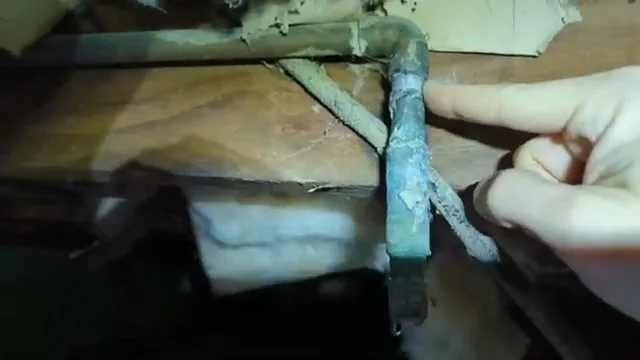
- What did the plumber see when the pipe was open? Thin walls, heavy corrosion or scale inside the pipe say more than the leak itself.
- How easy is the pipe to reach? Lines in open attic space are simpler to replace than lines buried in a slab or finished walls, so access changes the comparison.
- How long will you stay? A house you plan to sell next year and a house you plan to keep for decades can call for different answers.
No single question settles it. Taken together they show whether you are paying to patch a failing system. The table lines the answers up.
| What to look at | Points toward repair | Points toward repipe |
|---|---|---|
| Leak history | One isolated leak, years apart from the last | Two or more leaks within a year, in different places |
| Pipe condition | The cut-out section looks sound, with a clear cause such as a bad joint | The pipe is thin, pitted or scaled, or has pinholes in several spots |
| Access | The failing line is exposed and easy to fix in place | The failing lines are in walls or under the floor, where each repair means more patching |
| Water at the tap | Clear water with steady pressure | Discolored water, metallic taste or falling pressure |
A burst or a spraying leak is not the time to decide. Stop it, repair it, and compare options afterward. The steps for that moment are on repairing a burst pipe.
Living through a repipe: the sequence, step by step
Most repipes take place while you live in the house, so it helps to know the sequence.
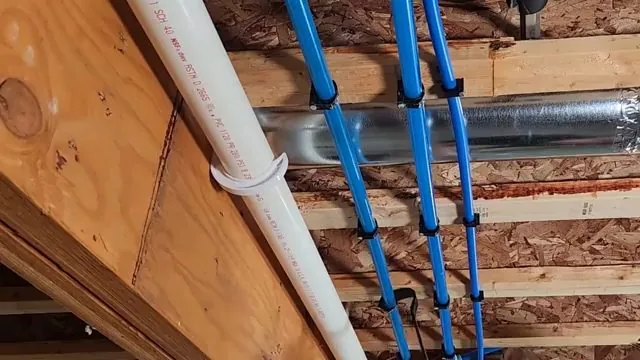
- The plumber maps the existing lines, counts the fixtures and decides where new pipe will run, usually through the attic, the walls or the crawlspace.
- Water is shut off while old lines are cut out and new ones connected. Ask how long it will be off each day and whether you will have water in the evening.
- Small openings are cut in walls and ceilings to reach the old lines. The plumber should tell you where before any cutting.
- New lines are connected to every fixture, the water heater and the main.
- The system is pressure tested before the openings are closed. Ask to see the result.
- The openings are patched. Ask who patches and paints, because many repipe quotes stop at the drywall.
Plan for the water to be off for part of each day and for some dust. Move things away from walls where access openings will go, and ask where the plumber will stage tools and old pipe.
PEX, copper or another material: how to choose
PEX is flexible plastic tubing. It bends around corners, which means fewer joints and fewer openings in walls. Copper is rigid metal with a long track record, and it needs more joints, each of which is a place a leak can start. Plumbers have preferences. Ask the plumber to name the material, explain why it suits your house and say what fittings it uses.
Ask what happens to the old pipe. It is sometimes removed and sometimes left in the wall. Pipe left in place should be disconnected and capped so it cannot hold water or be mistaken for a live line later.
Whichever material is chosen, the finished work should be something an inspector can look at. If the job is permitted, the city inspects it.
Permit, inspection and the plumber's registration
The City of Greenville lists plumbing among the permit types its Permits and Inspections office handles. It does not publish a rule on whole-house repipes, so ask the plumber whether the job needs a permit and who will pull it, and ask for it to be listed in the quote. When a permit applies, the permit holder requests inspections, and the city asks for calls by 3:00 p.m. for an inspection the next business day.
Contractors register with that office by providing a copy of the master license, an ID and liability insurance naming the city as certificate holder. Ask whether your plumber is registered, and check the Texas license details on the state board's public license search.
How to read a repipe quote
Two quotes for "repiping" can describe very different jobs. Compare them line by line.
- Scope by fixture. The quote should list what is replaced: each bathroom, the kitchen, the laundry, hose bibs, the water heater connections and the main.
- Materials and fittings named, not just "new pipe."
- Access and patching. Who opens the walls, who closes them and what finish is included.
- Permit and inspection, included or left to you.
- The water-off schedule, with start and finish dates.
- Warranty terms from the plumber, in writing. Parts and labor should each carry a stated term.
- What would change the quote once the walls are open, and how a change would be handled.
Typical ranges for common plumbing work are on the page about typical cost ranges. Use them to judge whether a quote is in the right territory, not to set a price in advance.
Is this urgent? When a repipe can wait and when it cannot
A repipe is a planned project. A spraying line is not. If water is flowing, stop it and repair the failure first, then compare. If your leaks keep showing up under the floor, the slab leak detection and repair page explains the reroute option, which can mean less disruption than replacing everything. If you are not sure the leaks are connected, water leak detection can show whether you are chasing one problem or several.
Weighing a repair against a repipe? Talk it through with a plumber
Call, tell the person who answers how many leaks you have had and where, and a plumber for your area is arranged. Have your pipe material, if you know it, and the dates of earlier repairs handy.