
Tankless water heaters · Greenville, TX
Tankless Water Heater Services in Greenville, TX: Is Endless Hot Water Worth the Upgrade?
A tankless unit heats water as it flows and takes up a fraction of the room a tank does. It also asks more of your gas line, your vent or your electrical panel. This page lays out what changes in the house, how descaling works and what to ask before you swap.
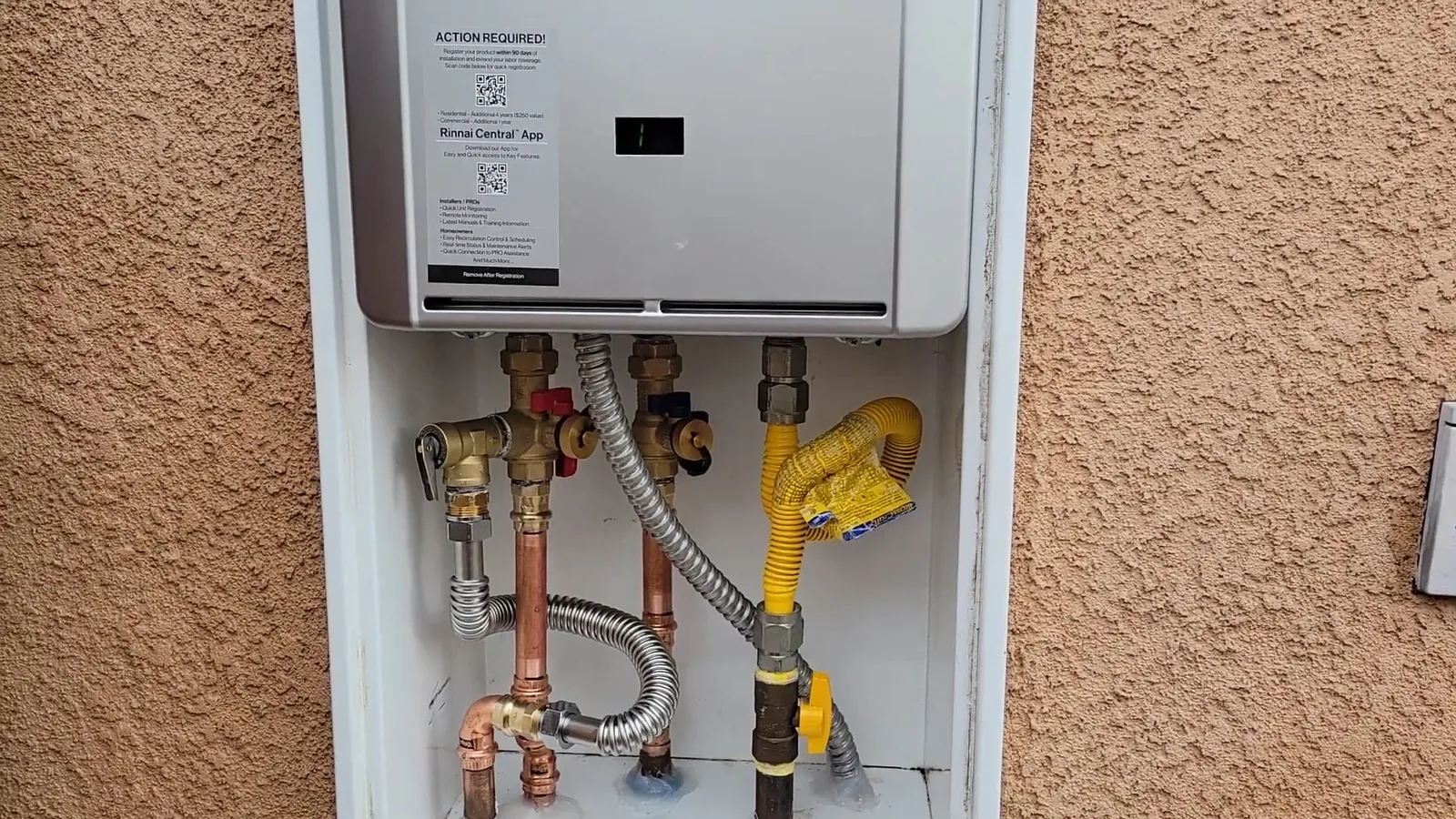
Is tankless worth it for your household? Three questions
Tankless is not a better tank. It trades a stored supply for a heater that has to keep up with demand, and whether that is a good trade depends on three things in your house.
- How many fixtures run at once. A large family running showers, a washer and a dishwasher together asks more of a unit than two people do.
- What the house already has. A gas line of the right size and a vent route make a swap simpler. A house without them needs more work.
- How long you plan to stay. The savings from a tankless unit, where there are any, accrue slowly, so a short stay may never recover the cost.
Ask the plumber to do the arithmetic with your actual bills and household in front of them. A general claim about savings is not a quote, and you should expect to see how the number was reached.
Gas line, vent, drain and power: where the quote grows
The unit is only part of the job. Everything that connects to it has to suit it, and the rest of the quote depends on the answers.
| Part of the house | Why it changes | What to ask |
|---|---|---|
| Gas supply | A tankless burner draws a lot of gas at once, so the existing line may be too small | Does the gas line need to be upsized, and who does that work? |
| Venting | Exhaust leaves through a vent of a specific material and run, which may differ from your tank's flue | What vent material and route does this model need? |
| Condensate drain | High-efficiency units make acidic water that must drain somewhere | Where does the condensate go, and is it neutralized? |
| Electrical | Gas units need an outlet for controls. Electric units need a large dedicated circuit | Does the panel have room, and does the work need an electrician? |
| Water pressure and filter | Low pressure or a clogged inlet filter cuts the flow the unit can deliver | What is the pressure at the tap, and where is the filter? |
Two showers at once: why flow rate matters more than the label
A tankless unit raises the temperature of the water flowing through it by a fixed amount. If the incoming water is colder, or if more fixtures draw at once, the same unit has less room to raise the temperature, so the flow or the heat drops.
Ask the plumber to match the unit's rated flow to your busiest hour, not to an average one. If two bathrooms and a laundry room run together on a typical morning, say so. Some homes use two smaller units or keep a tank for the heavy users, and a plumber who asks about your fixtures is doing the work properly.
Descaling a tankless heater: a yearly job, in five steps
Descaling is the yearly job that decides whether a tankless unit keeps its promise. Minerals in the water coat the heat exchanger, and a coated exchanger heats poorly and wears faster.
- Ask the plumber what scale they find at the first service, and write down the date.
- Follow the manufacturer's schedule for descaling, which appears in the manual or on the maker's site.
- Have the plumber clean the inlet filter, check the vent and look at the condensate drain during each service.
- Book a visit sooner if the flow drops, the water turns lukewarm or the display shows an error code.
- Keep the service record with the manual, since a maker may ask for it if a warranty claim comes up.
This page gives no figure for local water minerals, and a number cannot replace what the plumber finds when the unit is opened. If scale is a worry, the page on softeners and water conditioning explains what treatment can and cannot do.
Lukewarm water, error codes and cold bursts: signs a unit needs service
Tankless units are repaired too, and the parts differ from a tank's. Look for these signs before you call so you can describe the problem.
- Lukewarm or fluctuating water that was steady before, often from scale or a clogged filter.
- An error code on the display. Write it down and read it to the plumber.
- A drop in flow at every hot tap, which points to the unit, not one fixture.
- Cold bursts between hot ones, sometimes caused by short, repeated uses of hot water.
- Water or a smell of gas near the unit. Shut off the fuel and leave the house if you smell gas.
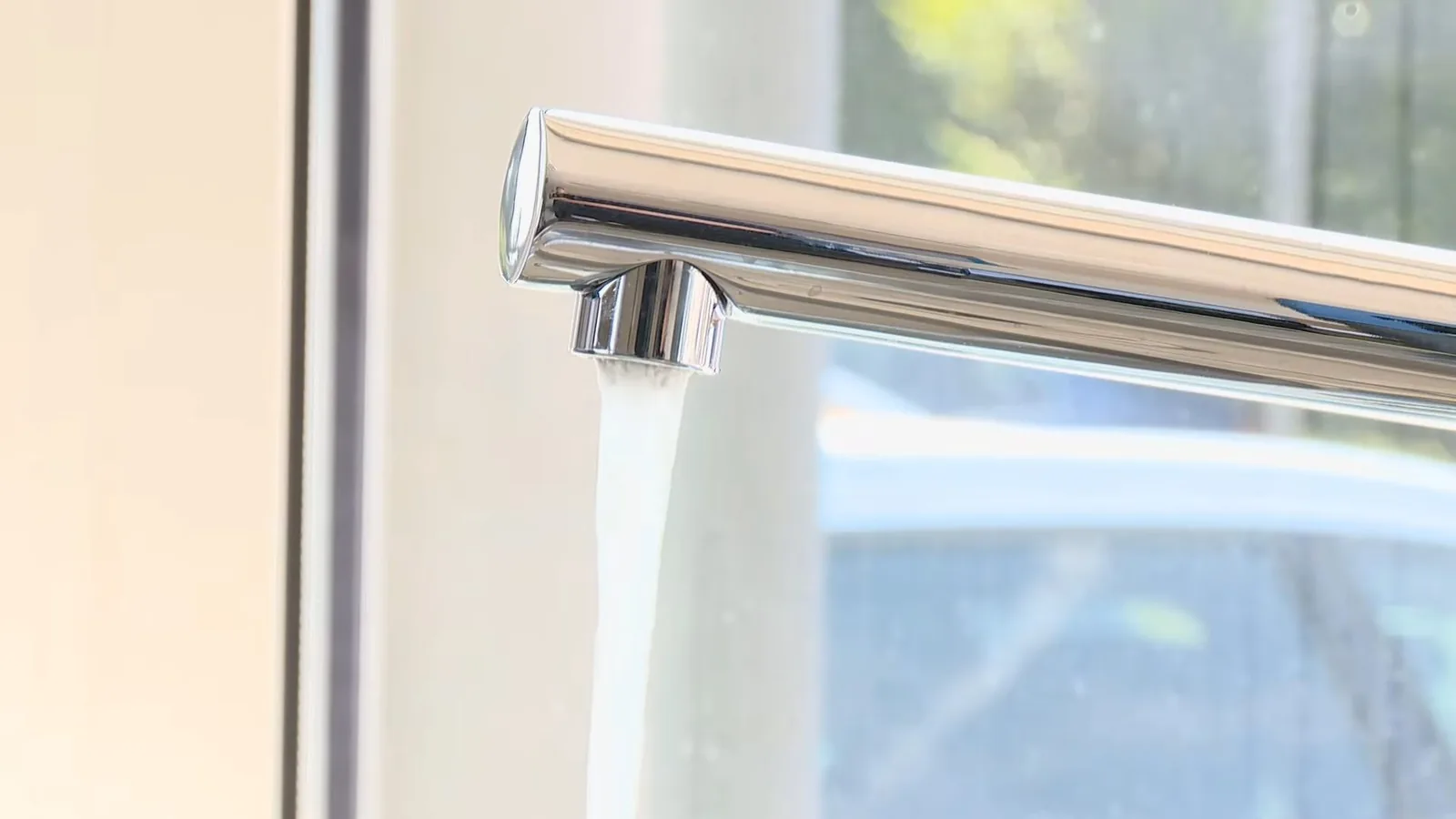
A hot-water problem that looks like a heater fault can sit elsewhere. A single fixture with low flow often has a clogged aerator or valve, and a faucet that sputters covers that. A tank that has failed completely is a different decision, set out in replacing a tank with a new one.
Point-of-use units: one sink, one small heater
A small electric tankless unit under a sink or beside a single fixture heats water for that tap only. It suits a distant sink or a bar that the main heater serves poorly, and it does not replace a whole-house heater.
Ask about the circuit it needs, the flow it can supply and how it will be mounted. A point-of-use unit reduces the wait for hot water at one tap and cannot run a shower and a sink together.
Permits and trades: gas, vent and wiring on one job
The City of Greenville lists plumbing among the permit types its Permits and Inspections office handles. Its page does not say whether a tankless installation needs a permit, so ask the plumber and, if you want it confirmed, call (903) 457-3100.
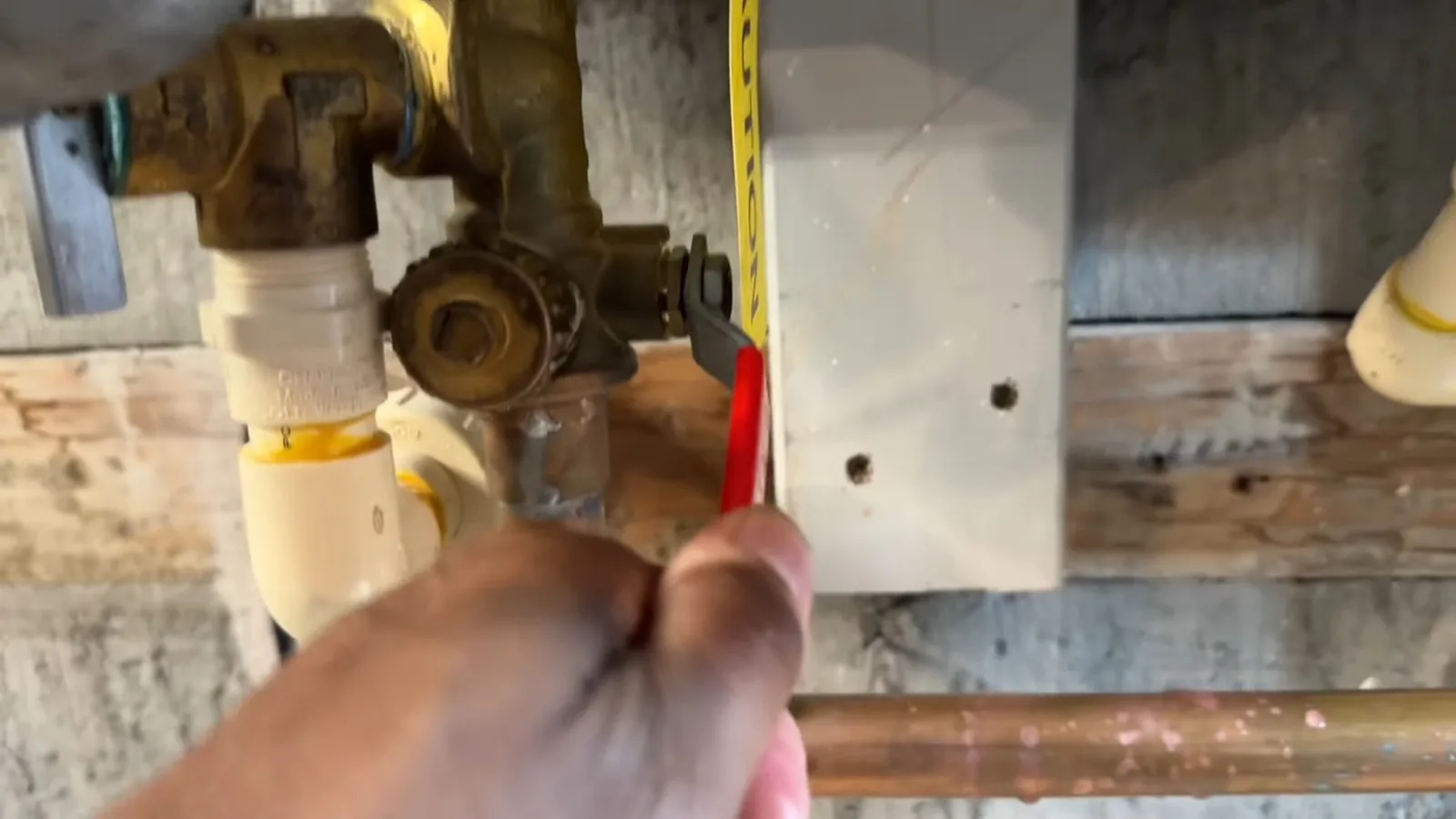
A tankless swap may touch the gas line, the vent and an electrical circuit, which means more than one trade may be involved. Ask who is responsible for each, whether a permit applies to any of them, and whether the plumber is registered with the city.
Tankless questions Greenville homeowners ask
Will a tankless heater really never run out of hot water?
It will not run out the way a tank does, but it has a limit on how much water it can heat at once. Two showers and a dishwasher at the same time can exceed a small unit, and the flow drops or the water turns lukewarm. Ask the plumber to size the unit to your busiest hour.
Does a tankless heater need descaling?
Yes, because minerals in the water build up inside the heat exchanger over time. Follow the schedule in the manufacturer's manual, and ask the plumber what scale they find at the first service. A reduced flow or an error code is a reason to book it sooner.
Does a tankless heater work during a power outage?
A gas tankless unit still needs electricity for its controls, fan and igniter, so most stop working when the power goes out. Ask about a battery backup or a generator connection if outages concern you.
Thinking about tankless? Talk through your house first
Call, say what heater you have now, how many bathrooms and whether you have gas, and the person who answers will arrange a plumber for your area. Rough ranges are on tankless cost ranges.