Slab leak repair · Greenville, TX
Slab Leak Detection and Repair in Greenville, TX: Warm Floors, Hissing Pipes, Higher Bills
A warm patch on the tile, the sound of water running when every tap is off, or a bill that doubled for no reason: these are the usual ways a leak under a concrete slab announces itself. This page helps you confirm it, understand the three ways it gets fixed, and know what to ask before anyone cuts into the floor.
Five signs the leak is under the floor
Pipes under a slab are out of sight, so the evidence is indirect. These are the signs that, together, make a slab leak likely.
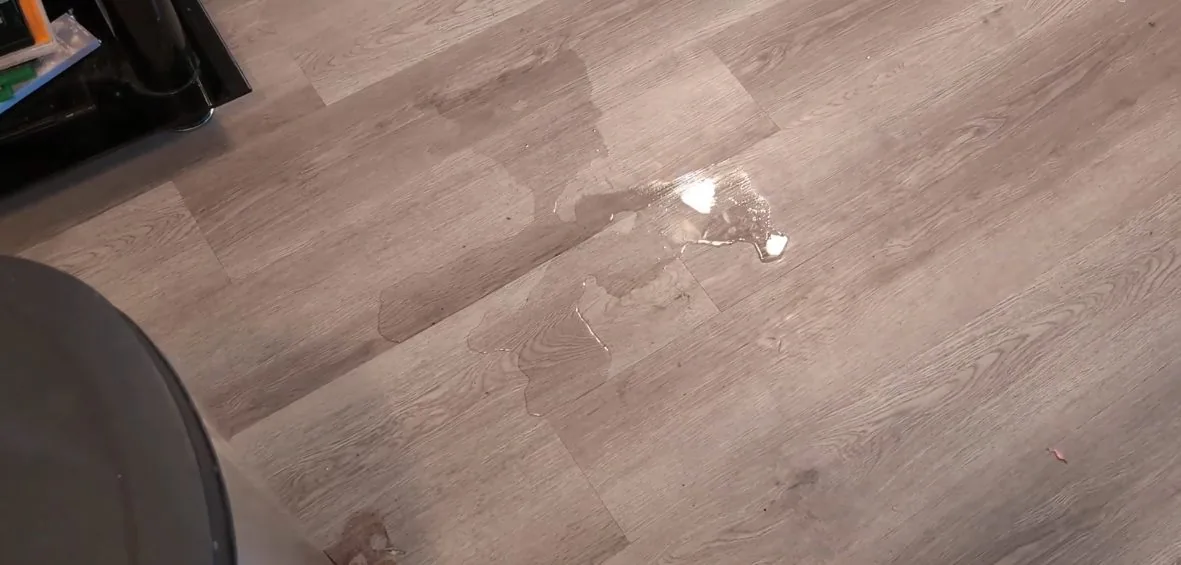
- A warm or hot spot on a floor that is not over a heater or a sunny window, which points to a leaking hot-water line.
- The sound of running or hissing water when every fixture is off, loudest with your ear near the floor or a wall.
- A meter that keeps turning with every fixture off and stops when you close the main valve on the house.
- Water pressure that drops for no clear reason, or a water heater that seems to run more than it should.
- Damp carpet, lifting flooring, a musty smell or baseboards that stay wet with no fixture nearby.
No single sign proves a slab leak. A warm floor and a moving meter together are a much stronger case than either alone. The meter steps are laid out under tracking down a hidden leak, and they take about half an hour.
How a plumber finds a slab leak without breaking concrete
Breaking the slab is the last step, not the first. A careful assessment narrows the leak to a small area before anyone swings a hammer.
- Isolate and pressure test. The plumber closes off sections of the system and watches a gauge. A section that loses pressure holds the leak, which turns a whole-house problem into a single line.
- Listen. Acoustic equipment picks up the sound of escaping water through the floor. Water running elsewhere can mask it, so a quiet house helps.
- Check temperature. Thermal imaging shows a leaking hot-water line as a warm stripe, which helps mark the route the pipe takes.
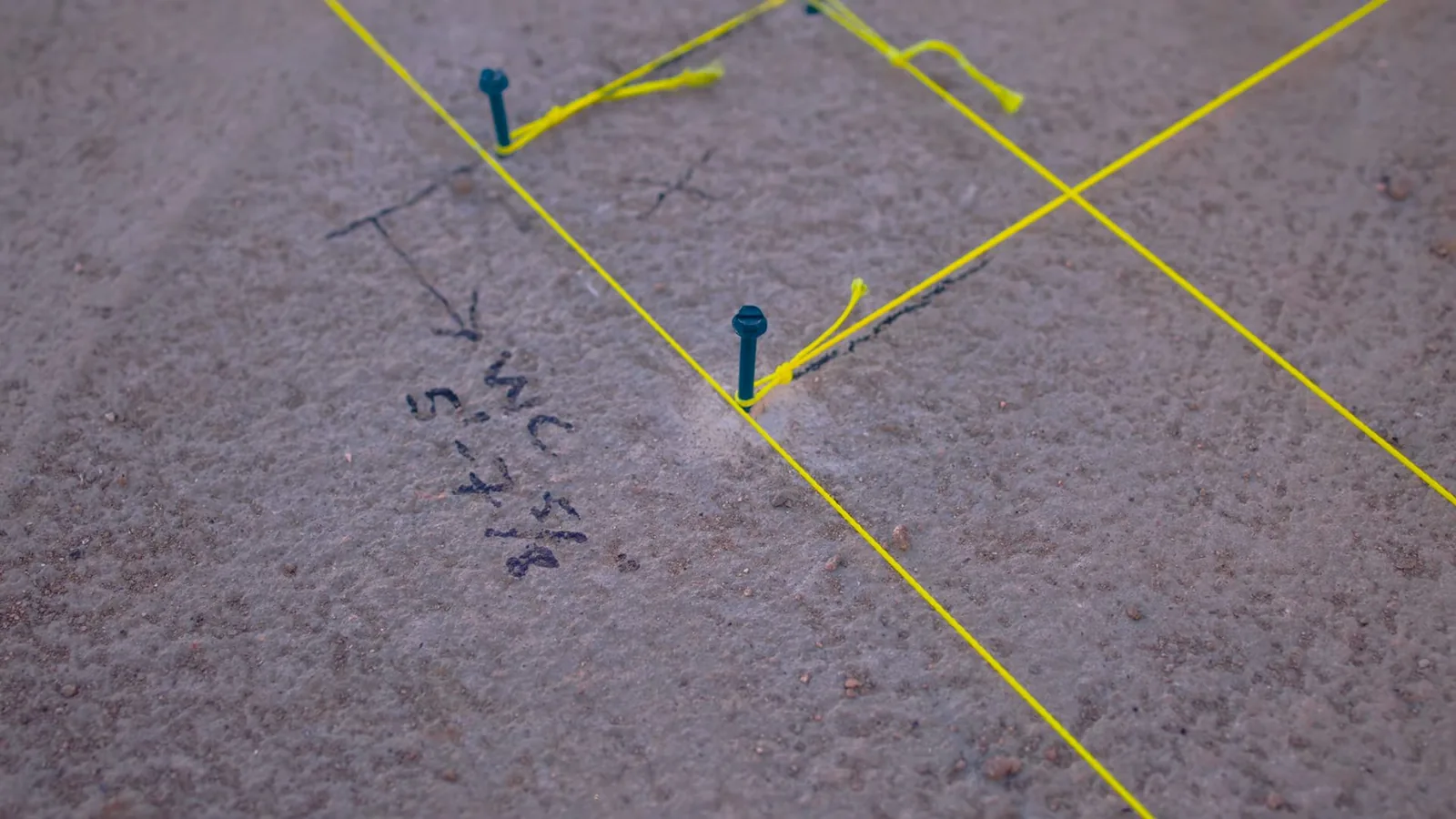
- Mark it on the floor. You should see a marked spot or route, and be told which test pointed there.
Ask for the pressure-test result and the marked location in writing, along with photos. That record helps if the repair needs a city permit and if you file an insurance claim.
Spot repair, reroute or repipe: three fixes and when each fits
Once the leak is located, the choice is how to get past it. Here is how the three routes compare.
| Option | What happens | Fits best when | Ask about |
|---|---|---|---|
| Spot repair | The plumber breaks the slab over the leak, replaces the bad section and patches the concrete and flooring. | One leak, a clearly marked spot and a pipe that is otherwise sound. | Who patches the floor, and whether the finished surface will match. |
| Reroute | The leaking line is abandoned in place and a new line runs overhead, through the attic or walls. | The line is hard to reach, has leaked more than once, or the floor is costly to open. | Where the new pipe will run, how many walls open and who repairs the drywall. |
| Repipe | Most or all of the supply lines are replaced. | Leaks in several places, or pipe that is failing along its length. | The scope by fixture, the permit, and who finishes the walls. |
Some contractors can tunnel under the slab from outside the house to reach a line without opening the floor. Ask whether that is possible for your layout and how it compares with an overhead reroute. The third route is a project of its own, covered under whole-house repiping.
Before anyone cuts the slab: cables, permits and inspection
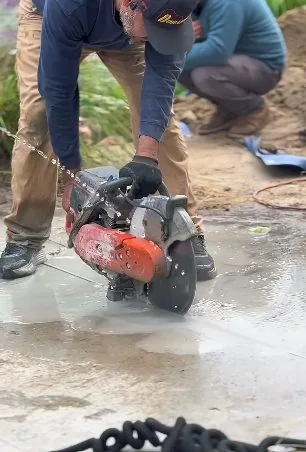
Some concrete slabs contain steel cables held under tension. Cutting one can damage the slab and injure the person holding the saw. Ask the plumber to say plainly whether your slab is post-tensioned, how they know and what they will do to find and avoid the cables. The builder's plans or a scan of the floor can settle it.
The City of Greenville lists underground plumbing among the work it inspects: all underground rough-in must be inspected before any reinforcing steel or concrete is placed. The city's permit page does not say which repairs count as permitted work, so ask the plumber whether yours does and who will pull the permit.
When an inspection is needed, the permit holder requests it, and the city asks for calls by 3:00 p.m. for an inspection the next business day. Ask the plumber how the inspection will be scheduled so an open floor is not left waiting. The Permits and Inspections office is at (903) 457-3100.
Contractors register with that office by providing a copy of the master license, an ID and liability insurance naming the city as certificate holder. Ask whether the plumber you are hiring is registered.
A leak or a moving foundation? Do not pay for the wrong repair
The USDA's Hunt County soil survey places the county in the Texas Blackland Prairie, a region known for clay soil. Clay can swell when wet and shrink when dry, and a leaking pipe adds water under the slab. The survey cannot tell you what is under your address, so treat this as a reason to ask questions, not as a diagnosis.
Cracks in drywall, doors that stick and cracked tile can come from a leak, from soil movement or from both. Foundation movement is a question for a structural engineer, not a plumber. Ask for the pressure-test result before you agree to foundation work, and ask the engineer whether a leak is part of what they see. Fixing a leak does not undo movement that has already happened.
Slab leak paperwork for insurance: gather it before work starts
A slab leak repair often touches an insurance claim, so collect these before the work starts.
- The date you first noticed the signs, and your water bills for the last several months.
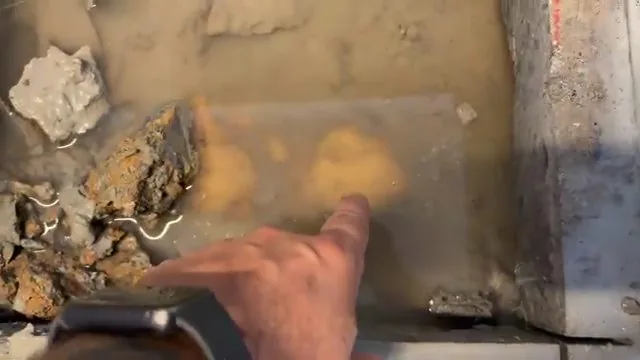
- Photos of stains, warm spots, lifting flooring and the meter dial.
- The plumber's written findings: the test, the marked location and the repair options.
- Your insurance policy. Call your insurer before any floor is opened and ask what they need to see. Policies differ on whether they cover the leak, the damage it caused or the cost of reaching the pipe.
- Any damaged material, kept until the adjuster has seen it if they ask.
If water has already reached the flooring or the drywall, the drying is a separate job. See water removal and drying for what it covers.
Slab leak questions, answered briefly
What are the signs of a hidden slab leak?
The usual signs are a warm spot on a floor that is not over a heat source and the sound of running water when every fixture is off. Others are a meter that keeps turning with all fixtures off, and damp flooring or a musty smell with no fixture nearby. No single sign proves it. A warm floor together with a moving meter is a stronger case than either one alone.
Can a plumber find a leak under my slab without breaking concrete?
Usually the leak can be narrowed to a small area without breaking anything. A pressure test shows which line is losing pressure, listening equipment picks up escaping water through the floor, and thermal imaging can trace a leaking hot-water line. The concrete is opened only once the spot is marked, if the repair is a spot repair.
Warm floor and a moving meter? Call before the damage spreads
Call, describe the signs you found and what the meter did, and the person who answers will arrange a plumber for your area. A call puts you on a plumber's schedule and does not promise an arrival time.