Hydro jetting · Greenville, TX
Hydro Jetting in Greenville, TX: When Snaking Only Buys You a Few Weeks
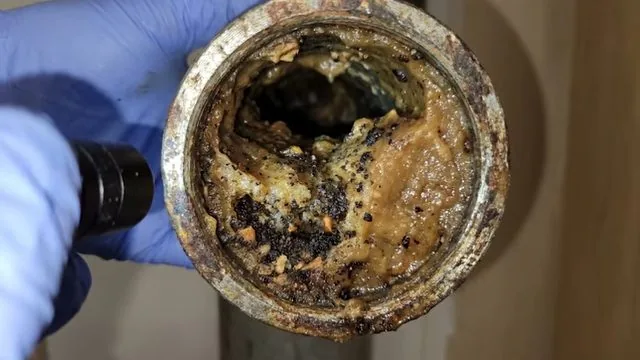
You have paid to clear the same drain twice this year, and each time it ran fine for a few weeks. A snake opens a hole through a blockage, but it leaves the coating on the pipe wall behind. This page explains how jetting differs, when it is the right call and when a camera should come first.
Snake or jet: what each one does to a clog
The two tools solve different problems. Which one you need depends on what the clog is made of.
| Tool | What it does | Works well on | Limits |
|---|---|---|---|
| Cable (snake) | A rotating cable bores through or hooks a blockage. | A fresh clog from a wad of paper, hair or a single obstruction. | Leaves grease and scale on the pipe wall, so the line can narrow again. |
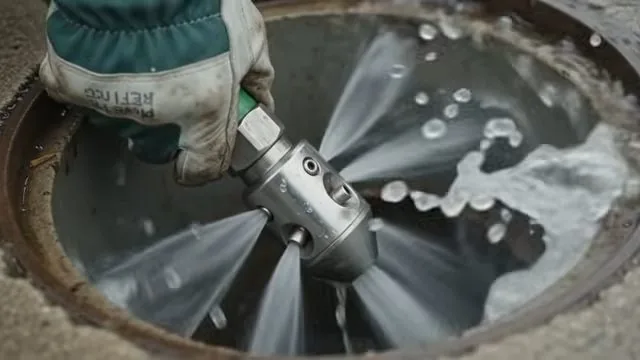
| Hydro jetting | A nozzle on a hose sends high-pressure water out in a ring, scouring the wall as it is pulled back. | Grease, scale and soft buildup coating the wall, and roots cut back at a joint. | Not for a cracked, offset or collapsed pipe. It does not repair anything. |
If a plain clog is your only symptom, start with drain cleaning in Greenville. Jetting makes sense when clogs return, because it removes the coating the snake leaves behind.
Is your pipe a candidate? Why the camera comes first
Strong water can make a damaged pipe worse. It can open a crack further, push water out through a break into the soil, or move a loose joint. That is why a camera look should come before jetting, and why you should not hire anyone who jets a line sight unseen.
If the camera shows a crack, an offset joint, a collapsed section or a bad sag, repair comes first. Repairing a damaged sewer line covers the options, and lining a cracked pipe is one of them. If the pipe is sound, jetting is a reasonable next step. Ask the plumber to show you the footage either way.
A jetting visit, step by step
- The plumber finds an access point: a cleanout in the yard or by the house, or a pulled toilet or roof vent when there is no cleanout.
- A camera goes in first, so the plumber and you can see the blockage and the pipe's condition.
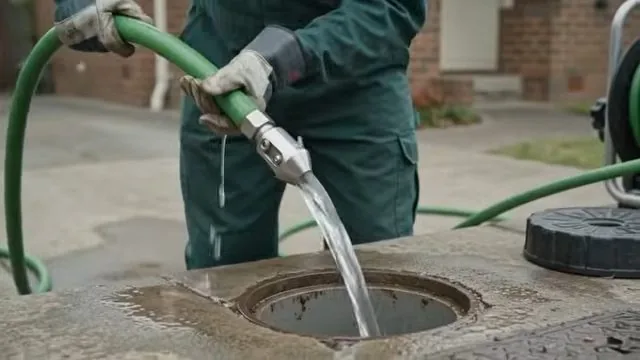
- The jetting hose is fed in and pulled back with water running, scouring the wall and flushing debris toward the main.
- The camera goes through again to show the result.
- You get the footage or a written summary: what was removed, which stretch was jetted and what the pipe looks like.
Expect water use during the work, a plumber working at your cleanout and a wet yard around it. Mention any soft spots or old repairs in the yard before work starts.
Grease keeps coming back: what to change after the jetting
Jetting clears the coating now. It does not change what you pour into the pipe afterward. If the clog was in a kitchen line, these habits matter more than the jetting:
- Wipe grease and oil from pans into the trash before washing.
- Use a strainer in the sink and empty it into the trash.
- Keep wipes out of the toilet, including ones labeled flushable.
- Run a disposal with water and feed it small amounts at a time.
Where the buildup sits also matters. A kitchen branch line and the main line are different jobs, so ask which line was jetted and how far.
Is one clog worth jetting? When a snake is the sensible choice
A snake is the sensible choice for a one-off clog: a toy, a wad of paper, a first slow drain in years. Jetting earns its place when clogs come back, when the kitchen line has a grease history, when several fixtures slow down together or when roots are involved.
Where the water goes matters as much as the tool. A kitchen branch, a bathroom branch and the main line are separate runs, and a plumber may recommend jetting only the one that is failing. Ask what the pipe is made of too, since the plumber should be able to say how that affects the method and the pressure used.
Roots: jetting clears them for now, not for good
Roots enter a sewer line at joints and cracks, looking for water. Jetting can cut them back and flush them out, and the line will be clear again. The roots, though, still reach into the pipe, and they grow back.
No calendar interval fits every house. After the camera, ask the plumber how soon roots are likely to return in your line and what would change that. If the camera shows roots entering at one joint, a repair at that joint can make more sense than jetting again and again.
After the jetting: what to watch for and when to call back
Drains should run at normal speed as soon as the work is done, and the gurgle in the other fixtures should stop. Test each fixture you were worried about while the plumber is still there, and say so if one still runs slowly.
Keep the footage and note the date. If the same line slows down again, the footage tells the next plumber what the pipe looked like when it was clean. A clog that returns within weeks of a good jetting points to a problem the water could not fix, such as a break, a sag or roots entering at a joint, so call back and ask for the repair options.
How to compare jetting quotes
Jetting is a specialist job, and quotes can look alike while covering different work. Ask each plumber for these:
- A camera before and after, with the footage shown or saved.
- Which line was jetted: a kitchen branch, a bathroom branch or the main, and how far.
- The access point and whether anything has to be removed to reach it.
- What happens if the camera finds a break. The job should stop and the repair options should be explained before any more water goes in.
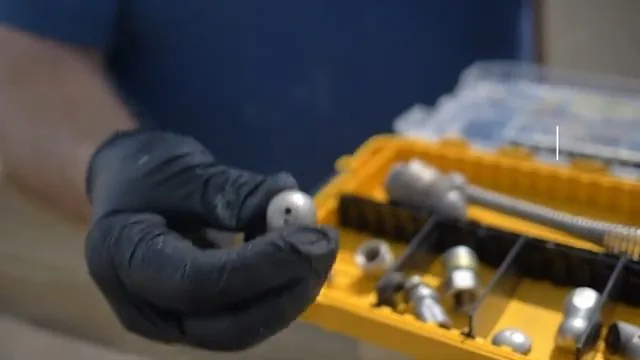
- The nozzle and pressure used, if you want to ask. A good plumber can say why those fit your pipe.
- Warranty terms in writing. Parts and labor should each carry a stated term.
If the problem shows at the city's end of the line, or neighbors share it, the city's sewer main may be involved. The City of Greenville's general line is (903) 457-3100.
Clog keeps returning? Ask a plumber about jetting
Call, tell the person who answers how often the clog comes back and which drain it is, and a plumber for your area is arranged. Typical price ranges are on what drain work costs in Greenville. Questions about what happens at a visit are answered on the answers to common plumbing questions.