Sewer line repair · Greenville, TX
Sewer Line Repair in Greenville, TX: Sewage in the Tub, Gurgling Drains or a Wet Yard
Sewage is coming up in the tub, every drain in the house gurgles, or there is a wet, foul-smelling patch in the yard. This page covers what to do right now, how to tell your line from the city's main, what a camera inspection should show and how the repair gets chosen.
Sewage is backing up right now: what to do until help arrives
- Stop using water: no flushing, laundry, dishwasher or showers. Every gallon you send down adds to the backup.
- Keep people and pets out of the affected room. Sewage is a health hazard, so wear rubber boots and gloves if you must go in.
- Do not pour chemical cleaners down the drain, and do not run a plunger in a backed-up line.
- Photograph the affected area for your insurer, then open a window if the smell is strong.
- Call, and say how many fixtures are affected. That one fact helps the plumber tell a branch clog from a main-line problem.
If sewage has soaked flooring or drywall, drying cannot start until the source is fixed. See removal and drying after a backup for what that work covers.
Is the blockage in your line or the city's main?
The fastest way to avoid paying for the wrong fix is to find out whose line it is.
| What you see | Where the problem probably is | Who to call |
|---|---|---|
| Neighbors on your street have the same backup | The city's sewer main | Call the City of Greenville at (903) 457-3100 |
| Only your house is affected, and several fixtures back up | Your main line or the stretch to the street | Call a plumber |
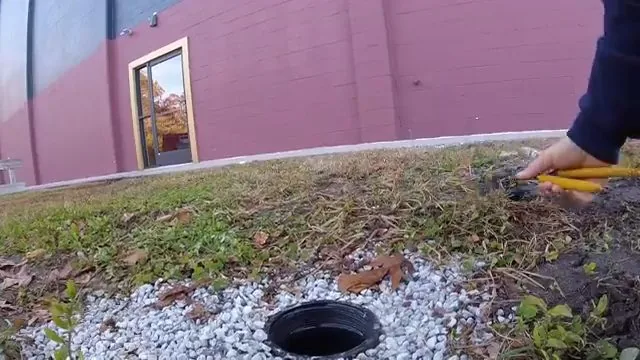
| Water or sewage rises out of the cleanout in your yard | The main line, blocked below the cleanout | Call a plumber now |
| A wet, smelly patch in the yard with no rain and no sprinkler | A broken or leaking line | Call a plumber, and expect a camera first |
| One toilet or tub backs up and the rest are fine | A branch line, not the main | Call a plumber |
Greenville's sewer code, in section 20.09.005, makes a direct connection to the public sewer the property owner's expense. It is a separate question whether the city maintains the stretch between your property line and the main. Ask Public Works before paying for work there, and get the answer in writing.
Camera inspection: the five things it should show you
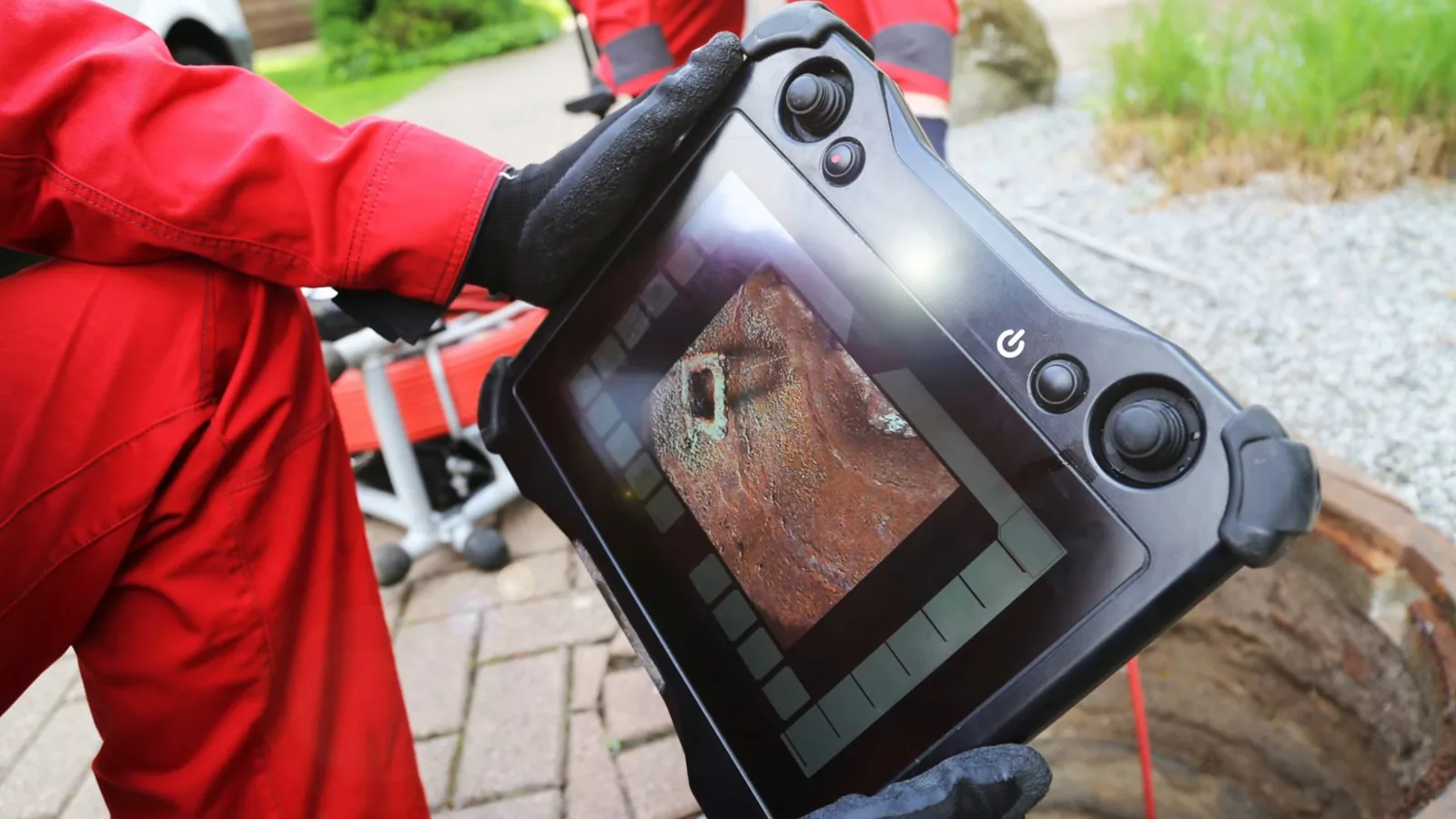
A camera inspection is the step that turns a backup into a decision. Ask for these before you agree to any digging:
- The footage, shown to you live or saved for you.
- The distance in feet from the access point to each problem, so the repair can be located.
- The cause in plain terms: a blockage, roots, a crack, an offset joint, a collapse or a sag that holds water.
- The condition of the rest of the line, not just the spot that failed.
- Options in writing, with what each one disturbs in the yard, the driveway or the house.
Cleaning versus repair: when snaking the main is enough
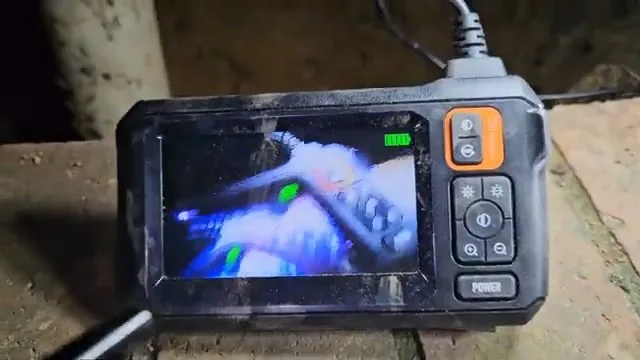
Clearing a blockage opens the line. It does not repair it. A wad of wipes or a grease plug can usually be cleared at the main line, and the pipe can be sound afterward. See clearing a clog and jetting the pipe walls for those jobs.
When the same line backs up again within weeks, or the camera shows roots, a break or a sag, cleaning only delays the repair. That is the point to compare repair options.
Dig, replace the lateral or line it: three repair routes compared
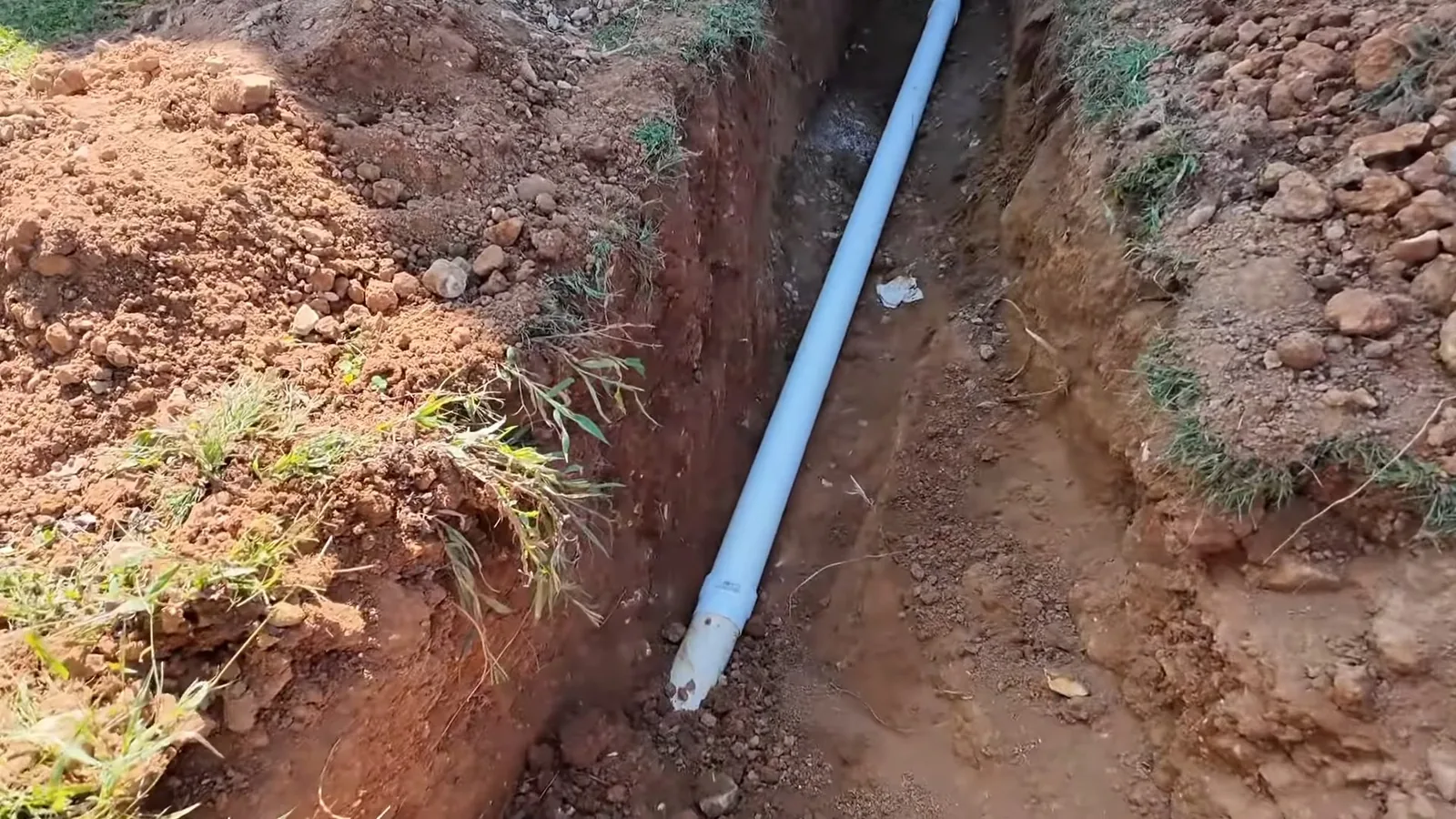
Traditional excavation is the right answer when the pipe has collapsed or shifted. Where the pipe is intact enough, trenchless pipe repair avoids the trench. This table lines the routes up.
| Route | What happens | Fits best when | Ask about |
|---|---|---|---|
| Dig and replace a section | A trench is opened over the broken stretch, and new pipe is joined to the sound pipe on both sides. | A collapsed or badly offset section. | Landscaping, driveway and who restores them. |
| Replace the full lateral | The whole line from the house to the connection is replaced, by trench or by pulling new pipe through. | Damage along most of the line. | Where the line ends and the city's begins. |
| Line it | A liner is cured inside the old pipe, leaving a new pipe within it. | Cracks, roots and leaking joints in a pipe that is still in line. | Whether the camera shows a sag, which lining does not fix. |
Before any digging: 811, permits and the written scope
Texas811 asks for a call at least two business days before digging, homeowners included, and the plumber should say who makes it. See Texas811. The City of Greenville lists plumbing among the permit types its Permits and Inspections office handles and has a repair permit application, but it does not say which sewer repairs are exempt. Ask the plumber whether a permit applies, and call (903) 457-3100 if you want to check.
Get the scope in writing before the trench opens: where the cuts will be, what is restored and by whom, and what a change in the plan would mean. Warranty terms should come from the plumber in writing.
Backups that only come with heavy rain
A backup that shows up only after heavy rain can have different causes. Roots or a break can let ground water into the pipe, which uses up room the line needs. A camera can show whether either is present. Tell the city if neighbors are affected too.
Some homes use a backwater valve, a device that keeps sewage from flowing back into the house. Ask the plumber whether one would suit your line, and whether installing one would need a permit.
Sewer line questions, answered briefly
Does a sewer backup mean the line is broken?
Not necessarily. A blockage from grease, wipes or roots can back up a sound pipe, and clearing it may be enough. A backup that returns within weeks, or one that follows heavy rain, is a reason to ask for a camera inspection to see whether the pipe is cracked, offset or sagging.
Do I need to call 811 before a plumber digs a sewer line?
Texas811 says to call at least two business days before digging, and that includes homeowners. Ask the plumber who will make the call and when digging can start. The call is about marking buried utilities, not about permits.
Sewage backing up? Call and say how many fixtures are affected
Call, describe where the sewage is showing and whether neighbors are affected, and the person who answers will arrange a plumber for your area. A call puts you on a plumber's schedule and does not promise an arrival time.